

In a world where memes spread faster than wildfire and cat videos reign supreme, the shadowy realm of internet censorship lurks just beneath the surface. It’s like a digital game of whack-a-mole, where governments and organizations scramble to control what people see, share, and say online. From social media bans to outright blackouts, these censorship cases reveal a tug-of-war between freedom of expression and the powers that be.
But don’t worry, it’s not all doom and gloom. With every case, there’s a story that’s often as bizarre as it is enlightening. Whether it’s a country trying to suppress dissent or a platform grappling with its own policies, the implications of these actions are far-reaching. Buckle up as we dive into the wild world of internet censorship, where the stakes are high and the outcomes can be downright entertaining.
Overview of Internet Censorship Cases
Internet censorship cases reveal a significant tension between freedom of expression and state control. Countries such as China employ extensive censorship, blocking access to platforms like Facebook and Twitter. In this instance, the Great Firewall serves as a primary tool to maintain governmental oversight over digital content.
In contrast, Turkey has faced criticism for its restrictions on social media during political unrest. Authorities suspend access to platforms to limit the dissemination of dissenting views. This approach showcases how governments utilize legal frameworks to stifle opposition.
Iran’s situation illustrates another dimension of censorship. The Iranian government frequently shuts down internet access during protests to quell dissent and control narratives. Such measures highlight the lengths to which some regimes will go to suppress public discourse.
The United States also encounters its own challenges with internet censorship. Various states have proposed legislation that could restrict access to specific content, primarily targeting misinformation during election cycles. These instances demonstrate the ongoing debate over the balance between regulation and free speech.
Countries like Russia showcase an alternative censorship model by requiring social media companies to store user data within their borders, enabling easier monitoring. Such regulations create an environment where external influences are significantly limited.
These cases exemplify diverse strategies and motivations behind internet censorship. They reveal how governmental powers navigate complex digital landscapes while attempting to maintain authority over information access. Each case enforces the understanding that censorship remains a pressing global issue, impacting societies worldwide.
Notable Internet Censorship Cases Worldwide
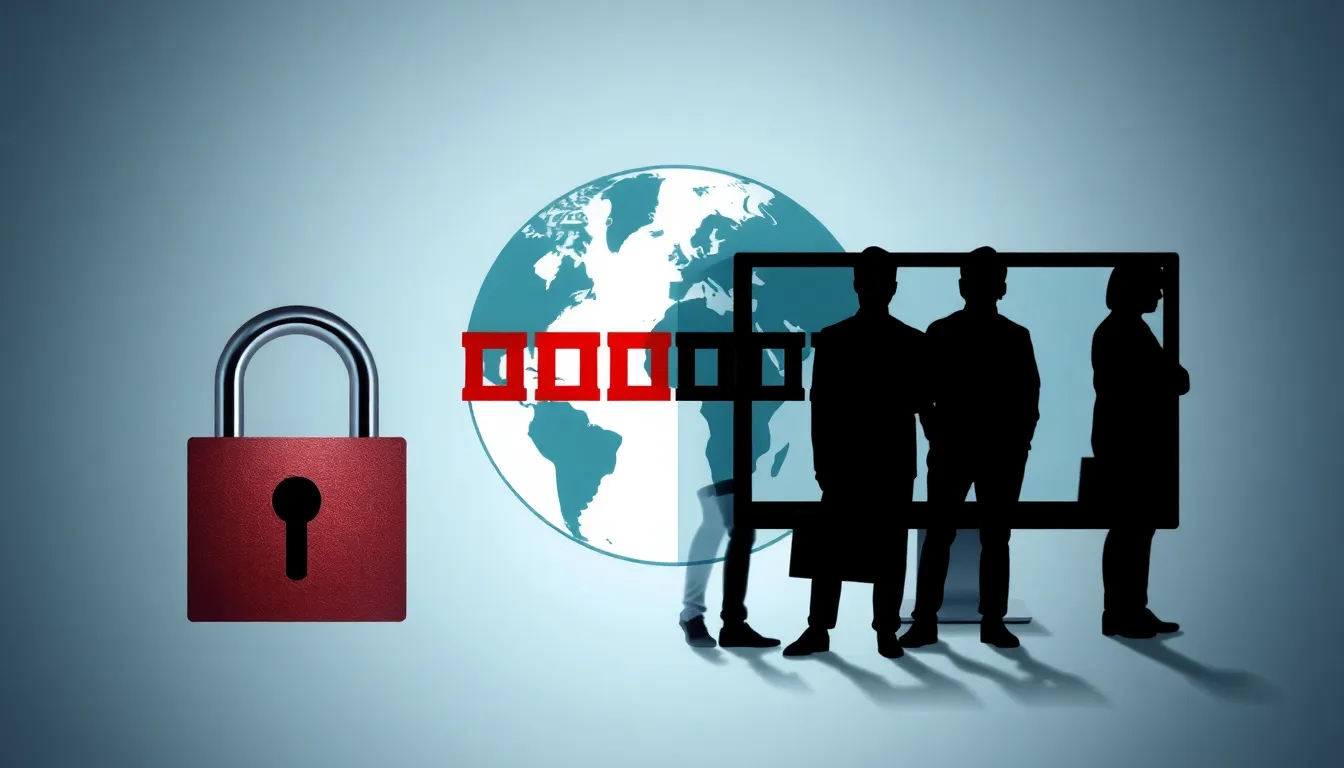
Notable internet censorship cases illustrate the complex relationship between government actions and freedom of expression. Each example highlights unique methods deployed to control information online.
Case Study: China’s Great Firewall
China’s Great Firewall represents one of the most extensive censorship systems globally. This initiative blocks access to numerous websites, such as Facebook, Twitter, and Google, effectively controlling the online narrative. Authorities employ sophisticated technology to filter content and monitor internet usage. Citizens face severe consequences for bypassing these restrictions, which cultivates an atmosphere of self-censorship among users. The impact on society is profound, as individuals receive limited exposure to alternate viewpoints and information, reinforcing state propaganda.
Case Study: Turkey’s Social Media Restrictions
Turkey engages in significant social media restrictions, particularly during times of political unrest. Authorities often implement temporary bans on platforms like Twitter and Facebook to limit the spread of dissenting opinions. These measures frequently occur in response to protests or controversial events. Journalists and activists face increased risks of censorship, contributing to a climate of fear regarding free speech. The Turkish government’s approach illustrates the balance of power, as public discourse becomes constrained while the authorities aim to maintain control over the narrative.
Impact of Internet Censorship
Internet censorship significantly affects various aspects of society. It restricts access to information, stifles dissent, and creates an environment of fear.
Effects on Freedom of Speech
Censorship undermines freedom of speech in many countries. Governments often block platforms to suppress dissenting opinions, which discourages public discourse. Individuals might self-censor due to fears of repercussions, limiting open dialogue. Journalists also face challenges when reporting on sensitive topics. In nations like China and Turkey, heavy restrictions lead to an environment where communication becomes stifled. New laws may further complicate the landscape, impacting local and international relationships. Press freedoms diminish as censorship increases, hindering the crucial role of media in democratic societies.
Economic Consequences for Businesses
Internet censorship brings economic consequences for businesses. Companies face challenges when trying to establish an online presence in heavily censored regions. Restricted access can lead to loss of productivity, impacting collaboration among teams. Many firms struggle to reach potential customers due to blocked platforms. Additionally, local businesses that rely on social media for marketing experience limitations in outreach and engagement. Economic growth may stagnate as global companies hesitate to invest in heavily censored markets. Overall, these challenges create a landscape where business innovation suffers due to the pervasive threat of censorship.
Responses to Internet Censorship
Various groups and individuals respond to internet censorship, employing several strategies to combat restrictions and advocate for free expression.
Advocacy and Activism
Activists mobilize to challenge censorship through grassroots campaigns and digital tools. Organizations such as Access Now equip users with knowledge about bypassing filters, empowering individuals in censored environments. Global campaigns support users in countries with severe restrictions, raising awareness about human rights violations. Many non-profits leverage social media to promote free speech, providing platforms for censored voices. Events like the Day of Action Against Internet Censorship galvanize supporters, fostering unity in the fight for digital rights.
Legal Actions and Reforms
Legal challenges emerge in response to censorship efforts worldwide. Courts often adjudicate cases where governments impose restrictions on free speech. Numerous organizations file lawsuits to contest unjust laws, seeking reforms to enhance transparency in censorship practices. Some countries introduce legislation to protect freedom of expression, recognizing its significance in democratic society. Advocacy groups press for regulatory changes to ensure that legislative actions prioritize human rights over control. As these legal actions unfold, they promote awareness and drive crucial discussions about the limits of government power in the digital realm.
Conclusion
The landscape of internet censorship continues to evolve as governments grapple with the balance between control and freedom. Each case reveals the profound implications for society and the resilience of those who fight for digital rights. As activists, organizations, and individuals push back against restrictions, the battle for free expression remains critical.
The stories behind these censorship efforts serve as a reminder of the importance of access to information and open discourse. As technology advances, the fight against censorship will likely intensify, highlighting the need for ongoing advocacy and awareness. The future of internet freedom depends on the collective efforts of those committed to preserving the digital space as a platform for all voices.


