

In a world where smartphones are practically an extension of our hands, mobile apps have become the shiny toys everyone wants to play with. From ordering pizza to tracking fitness goals, these little gems pack a punch, making life easier and a lot more fun. But what exactly are mobile apps?
Understanding Mobile Apps
Mobile apps serve as essential tools in daily life, providing users with various functionalities. These applications cater to specific needs and enhance overall convenience and enjoyment.
Definition of Mobile Apps
Mobile apps are software applications specifically designed to run on mobile devices like smartphones and tablets. They enable users to perform tasks such as communication, productivity, and entertainment. Many mobile apps operate seamlessly, relying on the device’s operating system to deliver services efficiently. Their primary goal is to simplify user interactions and enhance accessibility to information and services.
Types of Mobile Apps
Mobile apps can be categorized into three main types: native, web, and hybrid. Native apps, developed for specific operating systems like iOS or Android, offer high performance and user experience. Web apps, accessed through browsers, provide platform independence and ease of updates. Hybrid apps combine elements of both native and web applications, aiming for a balance between performance and flexibility. Each type serves its unique purpose, catering to different user preferences and needs.
The Evolution of Mobile Apps
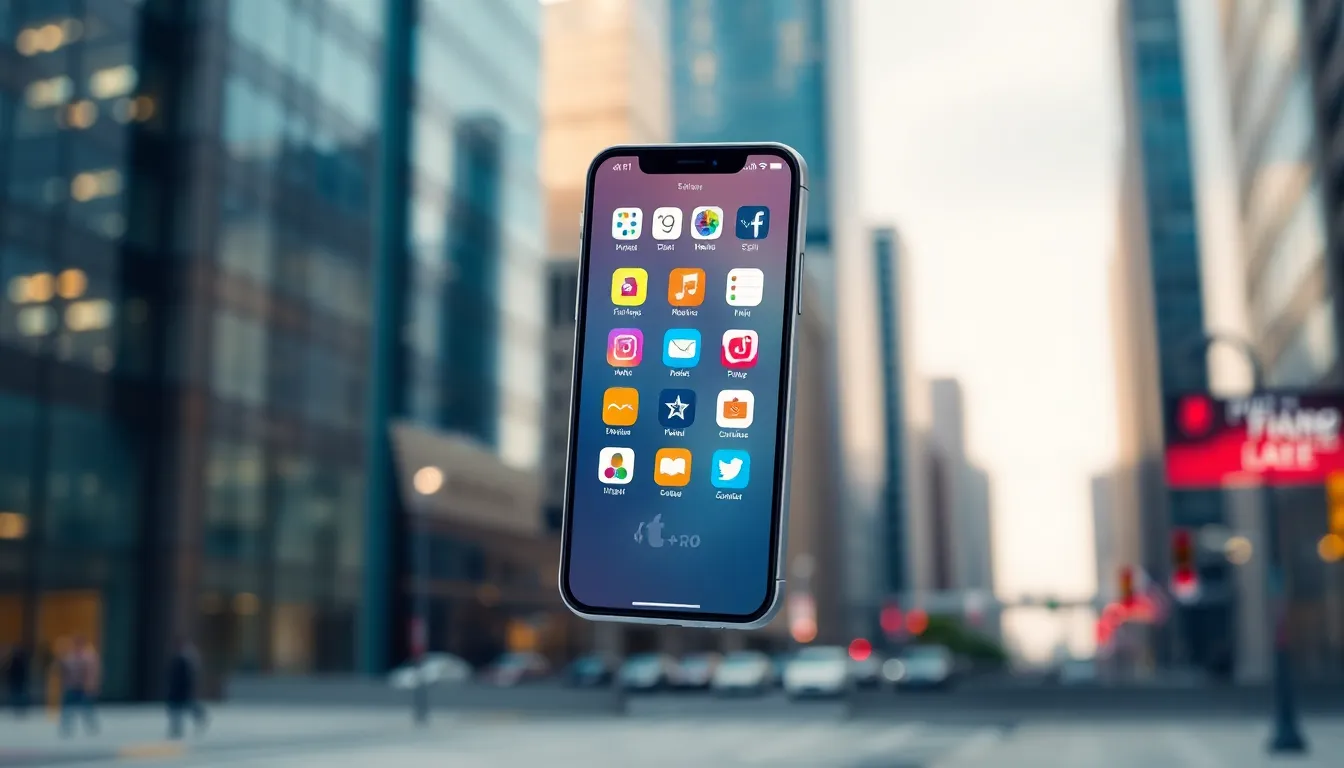
Mobile apps have transformed significantly since their inception. Understanding this evolution highlights the remarkable journey of these applications.
History of Mobile Apps
Mobile apps emerged in the early 2000s, coinciding with the launch of smartphones. Initial apps were basic, often serving utility functions like calendars and clocks. Apple’s App Store debuted in 2008, revolutionizing the landscape by providing a centralized platform for app distribution. Developers embraced this opportunity, creating diverse applications across different categories. By 2010, Android followed suit with Google Play, expanding access for users and developers alike. Since then, the mobile app ecosystem has grown exponentially as millions of apps became available, meeting evolving user demands.
Advancements in Technology
Technology advancements contributed significantly to mobile app progression. Enhanced processing power and faster internet speeds improved functionality for complex tasks. The introduction of 4G and later 5G networks allowed seamless streaming and real-time data usage. Advancements in programming languages, such as Swift and Kotlin, improved app development efficiency. User interfaces also evolved, focusing on better usability and aesthetics. The rise of cloud computing enabled apps to access broader data resources seamlessly. These improvements continue to shape user experiences, driving innovation in mobile app development.
Benefits of Mobile Apps
Mobile apps offer several advantages that enhance user experience and provide benefits for businesses.
User Experience
Mobile apps foster a seamless user experience with intuitive interfaces. Users access personalized features and content tailored to their preferences. Fast load times and offline functionality add convenience, allowing users to engage anytime, anywhere. Interaction becomes more efficient through easy navigation and responsive designs. Notifications keep users informed about updates and relevant content, increasing engagement levels. Apps like social media platforms enable instant communication and connection, further enriching user experience.
Business Advantages
Mobile apps drive business growth by enhancing customer engagement. Companies leverage apps to create brand loyalty through personalized interactions. Sales increase significantly through in-app purchasing options and promotions. Businesses also analyze user data to refine marketing strategies and improve services. Enhanced visibility in app stores leads to greater customer acquisition. Increased accessibility from mobile devices results in expanded reach and market potential. Apps empower businesses to establish direct communication channels, fostering stronger customer relationships.
Challenges in Mobile App Development
Mobile app development comes with unique challenges that can significantly impact the success of an application. These obstacles span various technical and market aspects.
Technical Challenges
Developers often face technical challenges when creating mobile apps. Ensuring compatibility across diverse devices can complicate the development process. Applications must function seamlessly on multiple operating systems like iOS and Android. Security remains a critical issue, with the need to protect user data from breaches. Performance optimization is essential; slow applications lead to user frustration and abandonment. Regular updates for bug fixes and new features further strain resources. Developers also contend with varying screen sizes, requiring adaptable user interfaces. Collaboration among teams often gets hindered by different skill sets, which can affect efficiency.
Market Competition
Market competition poses another significant challenge in mobile app development. Thousands of apps exist in major app stores, making it crucial for new apps to stand out. Recognizing user needs can guide developers in creating unique features that attract interest. Marketing strategies play a vital role; without effective promotion, even the best apps might go unnoticed. Continuous updates and features can help retain users, countering the tendency for app fatigue. Analyzing competitors provides insights into successful practices and areas for differentiation. Developers must focus not only on initial launch but also on long-term engagement strategies to thrive in this crowded landscape.
Mobile apps have transformed how people interact with technology in everyday life. They streamline tasks and enhance user experiences across various domains. As the mobile app ecosystem continues to evolve, the importance of understanding their types and functionalities becomes increasingly clear.
With advancements in technology, the potential for innovation in mobile app development is limitless. Businesses that leverage these tools can foster deeper connections with their customers while navigating the challenges of the competitive landscape. Embracing mobile apps is no longer just an option; it’s a necessity for staying relevant and meeting user expectations in today’s fast-paced digital world.


